Get connected with local professionals quickly. No obligation. No high-pressure sales — just a straight quote.
Reply within 60 minutes during business hours
Transparent, itemized pricing — no surprises
Work backed by local, licensed technicians
Get Your Gas Line Service Quote Today
Why Homeowners Pick Us
Local pros. Honest quotes. Safe work — every time.
We connect homeowners in Kaysville and nearby areas with skilled gas line professionals who focus on safe, clean installations for kitchens, fireplaces, and outdoor spaces.
Skilled Local Professionals
Every technician is experienced with residential gas line installations and understands local safety standards and best practices.
Fast Response Times
Quick scheduling for most projects, with responsive support to keep your installation moving without delays.
Transparent Quotes
Clear, upfront pricing with no hidden costs—so you know exactly what to expect before work begins.
Safety-First Approach
Every installation is handled with care, including proper connections, testing, and safety checks before completion.
Built for Home Projects
Focused on gas line installation for ranges, fireplaces, and fire pits—tailored specifically for residential needs.
Long-Term Reliability
Quality workmanship designed for lasting performance, giving you confidence in your gas system over time.
Our Services
Gas Line Installation for Your Home Essentials
We specialize in safe, professional gas line installation for the most common home upgrades—kitchens, fireplaces, and outdoor living spaces.
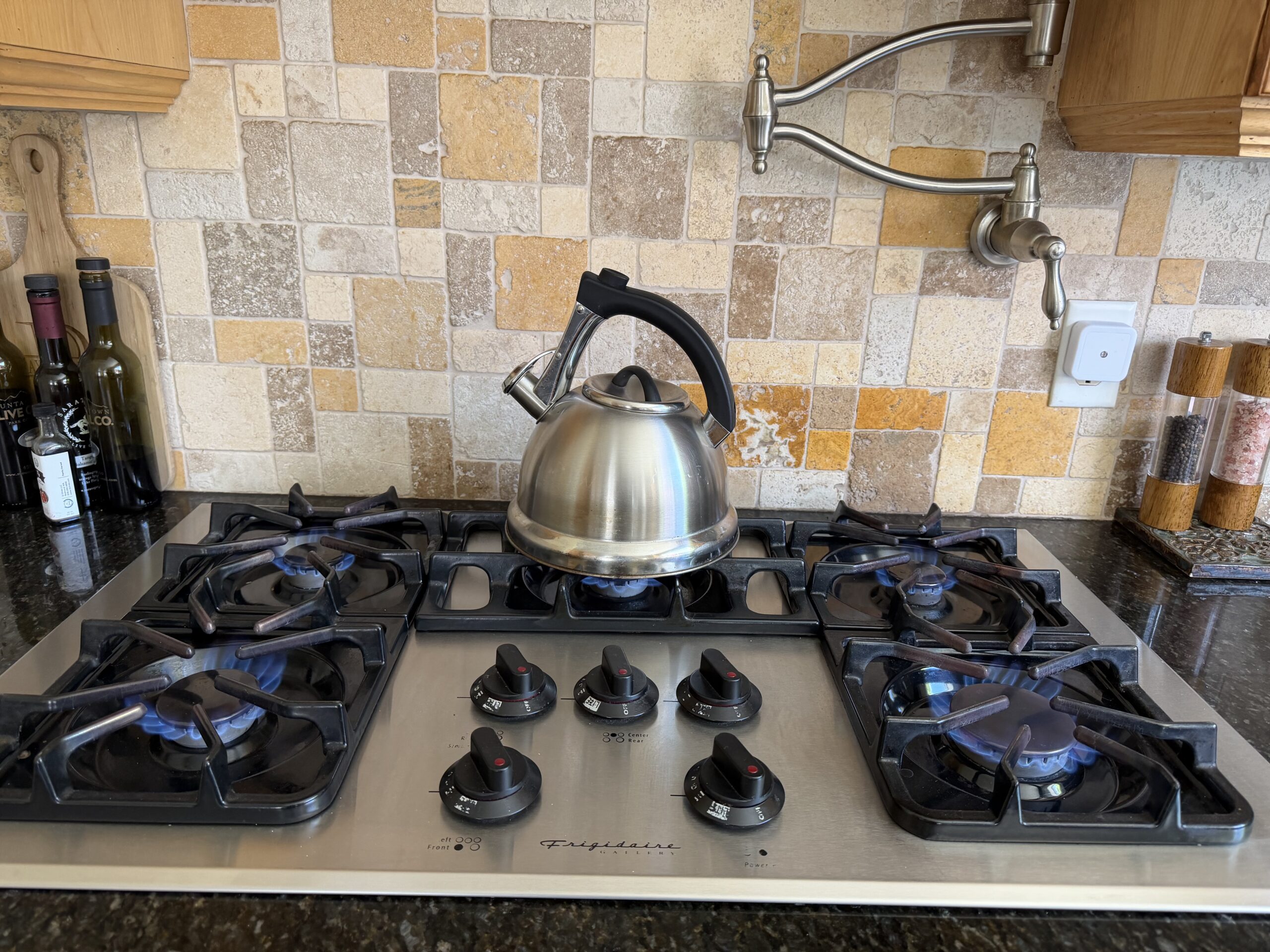
Gas Line for Kitchen Ranges
Install safe and reliable gas lines for stoves and kitchen appliances, perfect for new builds or kitchen upgrades.
Fire Pit Gas Line Installation
Set up dedicated gas lines for outdoor fire pits to create a clean, convenient, and low-maintenance backyard setup.
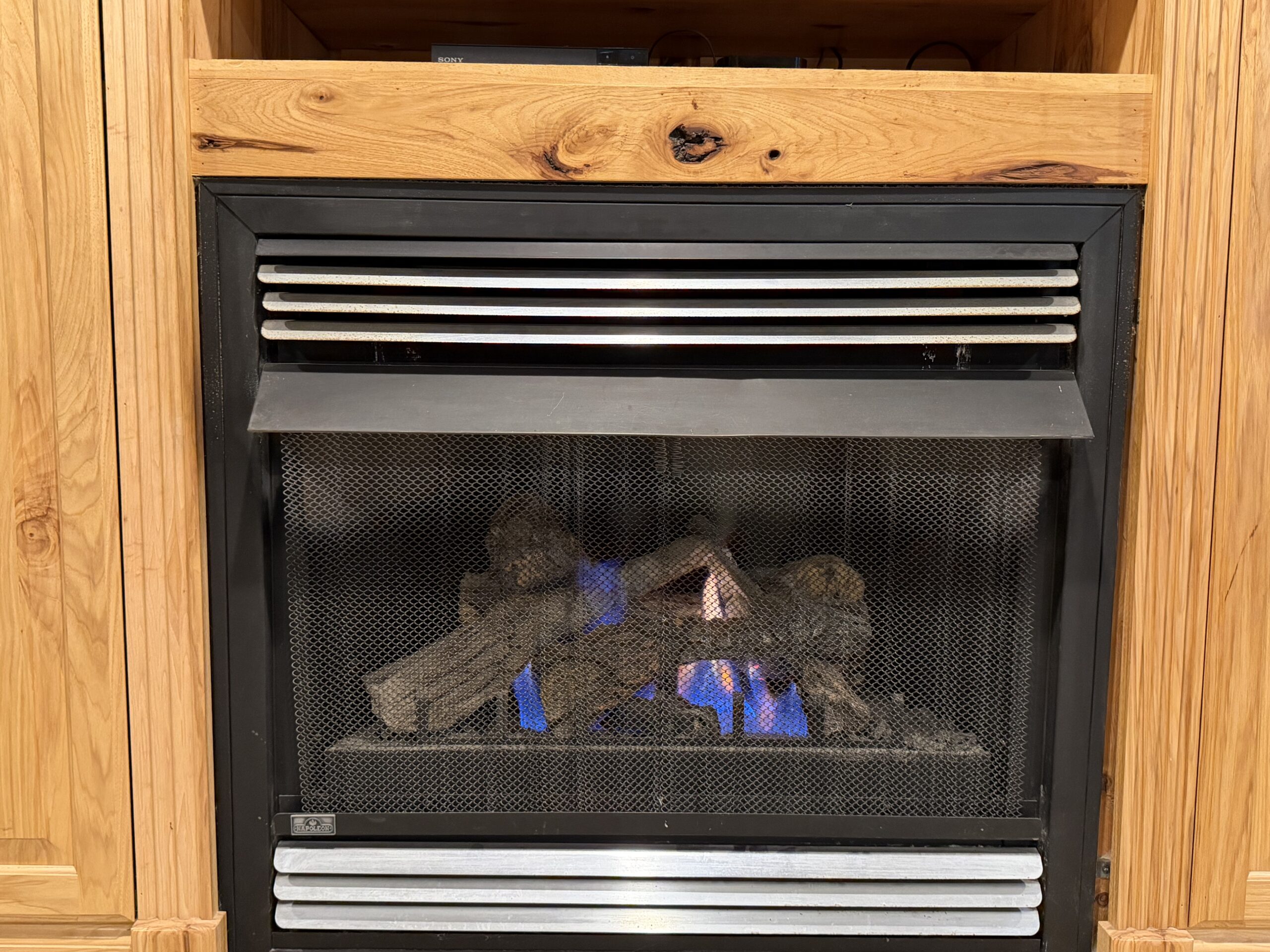
Fireplace Gas Line Installation
Install gas lines for indoor fireplaces to provide consistent heat, comfort, and easy operation.
Reliable Gas Line Solutions for Commercial Properties
We connect businesses in Kaysville, UT with experienced professionals who handle commercial gas line systems safely, efficiently, and with minimal disruption to operations.
Fix leaks or damaged lines quickly to restore safe operation and prevent business downtime.
Industrial Gas Line Replacement
Replace aging or unsafe piping systems to meet safety standards and improve system performance.
Emergency Gas Line Services
Get rapid response for urgent gas issues that pose safety risks or interrupt daily operations.
Gas Line Maintenance Programs
Routine inspections and servicing help prevent issues and ensure consistent system performance.
Commercial System Upgrades
Upgrade gas lines to support new equipment, expansions, or increased operational demand.
New Commercial Gas Line Installation
Install gas piping systems for new builds, renovations, or specialized business requirements.
Warning Signs
If any of these sound familiar — call us today.
Gas issues rarely fix themselves. The earlier you catch them, the smaller the repair (and the bill).
Gas smell or hissing
The classic "rotten egg" odor or any audible hiss near a line is an emergency. Leave the building and call.
Appliance issues
Yellow flames, pilot lights that won't stay lit or burners that hiss often signal supply or pressure problems.
Rising energy bills
An unexplained spike in usage often means gas is escaping somewhere it shouldn't — even without an odor.
Renovations or upgrades
New range, fireplace, ADU or addition? Capacity needs to be checked before you load the system.
Old gas lines
Galvanized or older black iron pipe corrodes from the inside. Homes 30+ years old should be checked.
Property damage or shifts
Foundation movement, recent excavation or impact damage can crack or pull lines apart underground.
How it works
If any of these sound familiar — call us today.
Gas issues rarely fix themselves. The earlier you catch them, the smaller the repair (and the bill).
01
Appliance issues
Yellow flames, pilot lights that won't stay lit or burners that hiss often signal supply or pressure problems.
02
Get matched & compare quotes
We connect you with vetted local pipefitters. Receive itemized quotes — pick the timing and price that work.
03
Schedule & get it done safely
Your tech arrives on time, completes the work to code, pressure-tests the line and walks you through what was done.
Safety First, Always
Built on code. Backed by inspection.
Gas isn't something you negotiate on. Every job we touch is built to current Utah and IFGC code, and we don't sign off until the line is verified leak-free.
Code-compliant work
Built to IFGC and current Utah amendments — every fitting, every run.
Leak detection & prevention
Electronic detectors plus pressure-decay testing on every completed line.
Secure connections
Proper torque, approved sealants and threaded or flared joints — never makeshift fixes.
Full inspections & reports
Documented inspection reports for insurance, sale or AHJ submission.
Experienced technicians
Average 12+ years in the trade. Continuous training on new code and materials.
Approved tools & materials
UL/CSA-listed components. Black iron, CSST and PE per application — never compromised.
Common Questions
Gas line basics, answered straight.
What is gas line service?
Gas line service covers the installation, repair, replacement, inspection and leak detection of natural gas and propane piping in your home or business — from the meter to every appliance hookup. Done correctly, it’s invisible. Done poorly, it’s dangerous.
How do I detect a gas leak?
The most common signs are a “rotten egg” odor (added on purpose to natural gas), a hissing sound near a pipe or appliance, dying houseplants near a line, or an unexplained jump in your gas bill. If you suspect a leak: leave the building, don’t use light switches or phones inside, and call from a safe distance.
Is gas line work safe?
When done by a licensed pipefitter following code, yes — extremely safe. We isolate the section being worked on, purge it of gas, complete the work, then pressure-test and re-purge before returning it to service. Your appliances are checked at the end too.
What materials are used for gas lines?
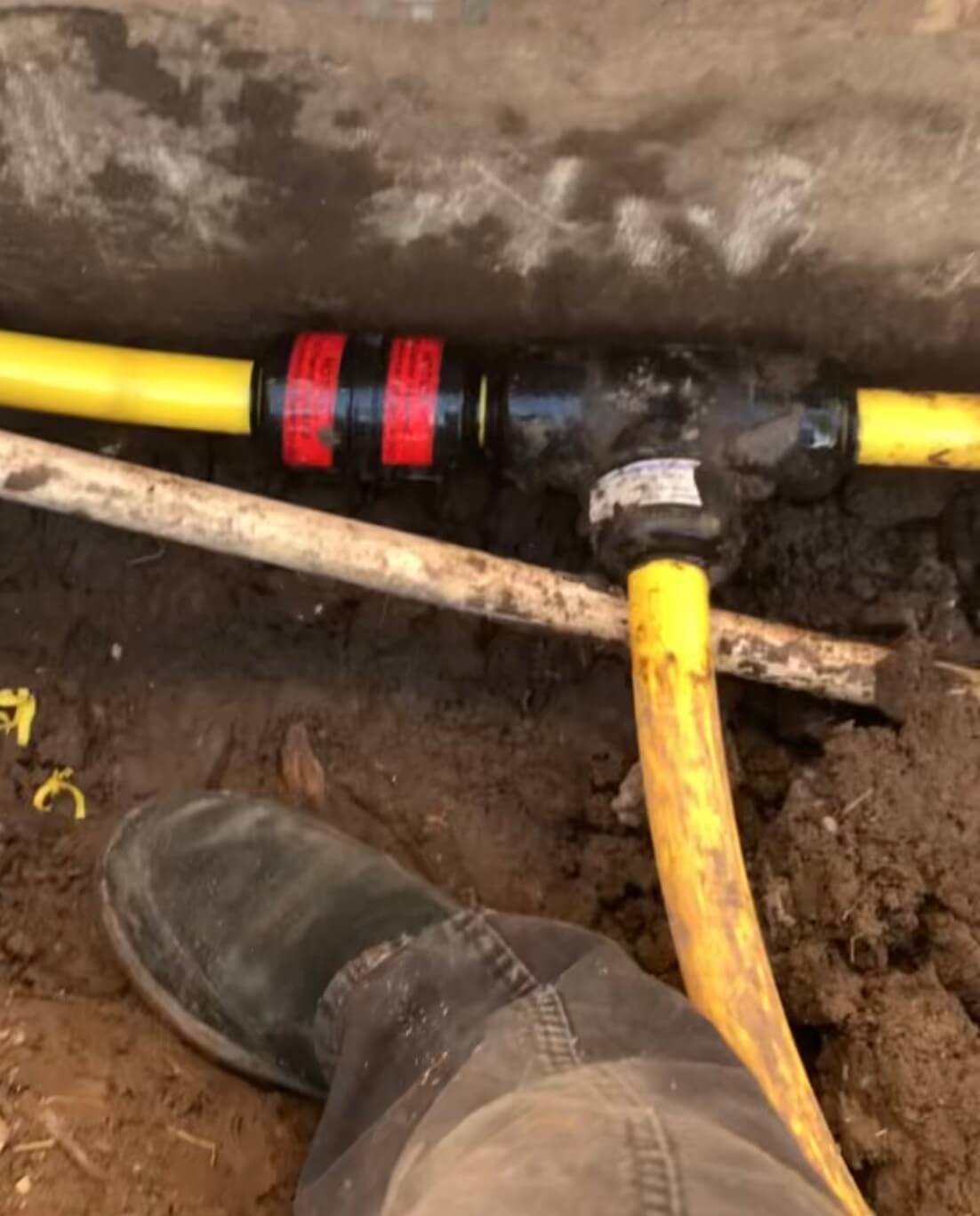
Most residential indoor work uses black iron pipe or CSST (corrugated stainless steel tubing). Underground service lines are typically polyethylene (PE). Older galvanized pipe is no longer code-compliant for new gas work and is often replaced when found.
How often should gas lines be inspected?
For residential, every 2 years is a sensible cadence — annually if your home is 30+ years old or you’ve added appliances. Commercial properties typically warrant annual or quarterly inspections depending on use, insurance requirements and AHJ rules.
Ready When You Are
Get Your Gas Line Service Quote Today
One short form. A real local pipefitter. A safe, code-compliant fix — usually faster than you'd expect.